

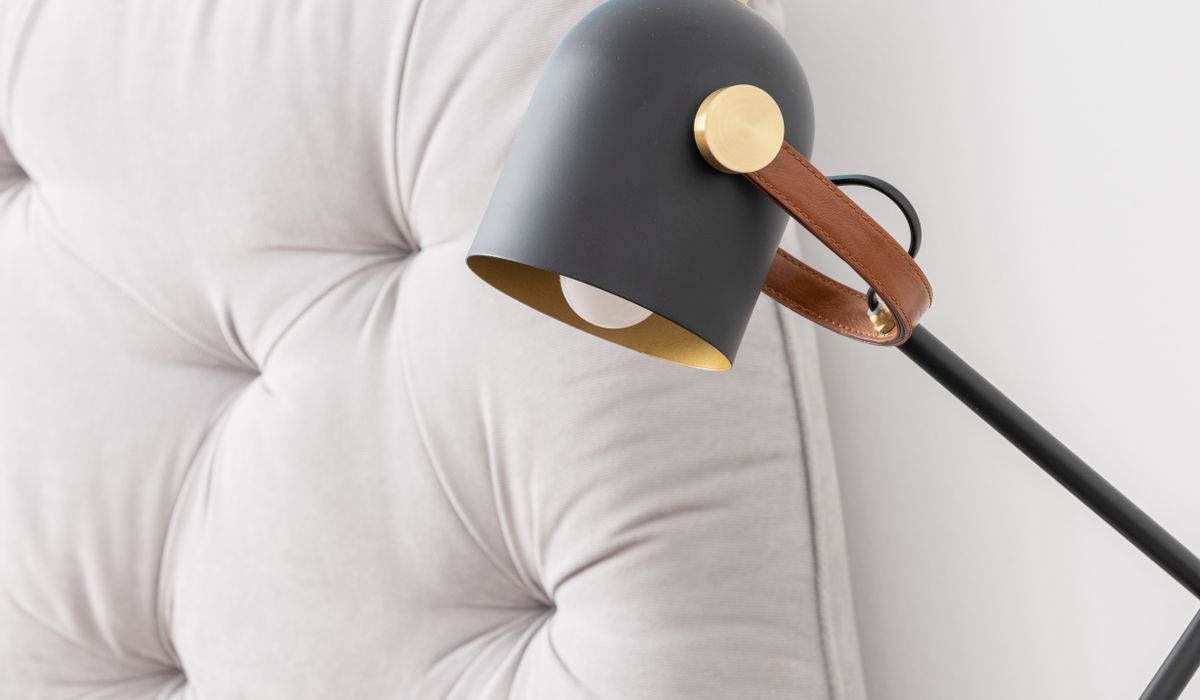
Why a gentle morning lighting routine changes everything
British mornings can be dark, rushed and full of fumbled switches. A smart routine replaces that jolt with light that rises gradually, room by room. You do not need to automate the whole house. A timed bedroom scene and a kitchen that brightens as the kettle boils will make the biggest difference. Think of it as a sunrise you control, even when the real one is nowhere to be seen.
The key is not more light, but better-timed light. Bright, cool light at 6am feels clinical; a slow rise from warm to cool feels natural.
Create a bedroom wake-up scene
Start your bedside lamps or main light at 1% brightness in a warm 2200K–2700K tone, 20–30 minutes before your alarm. Fade up to 60–80% and shift towards a cooler 4000K by the time the alarm sounds. That gradual change is subtle enough not to wake you too early, but bright enough to help you feel alert.
If you share with someone on a different schedule, use separate smart bulbs in each lamp. One can run a sunrise scene whilst the other stays off.
- Bedside lamps: dimmable smart bulbs in E27 or B22 fittings, or a smart plug for a standard lamp.
- Ceiling light: a smart dimmer switch if you have a neutral wire, or a smart bulb with the physical switch left on.
- Weekends: schedule a later start, or disable the routine with one tap.
Kitchen lighting: from first cuppa to breakfast bustle
Kitchens need layers. Begin with under-cabinet strips or a low pendant at 10% warm white around 6:00am — enough to make tea without blinding anyone. By 6:45am, bring ceiling lights to full brightness in a cooler 4000K–5000K tone for chopping and packing lunches. Use separate scenes for the breakfast bar and prep area.
- Layered light: ceiling, under-cabinet and pendant on separate smart controls.
- Task first: bright, cool light over worktops; warmer, softer light over tables.
- Night trips: a motion sensor set to 10% warm light for the fridge, not a floodlight.
Hallways, stairs and bathrooms
These spaces are where fumbling feels most dangerous. A hallway motion sensor can trigger a dimmed warm scene overnight, then a brighter cool scene during the rush. On the stairs, fade lights up over 10–15 seconds rather than snapping them on. In the bathroom, 2700K at 30% is plenty for a 5am visit; a brighter 4000K scene helps later with shaving or makeup. Keep a physical switch as a fallback. If your bathroom has an extractor fan on the same circuit, a smart switch with a timer can keep things simple. Always check that any switch is suitable for the zone and humidity.
Build your routine and buy wisely
Start with one room and one scene. Add a second room only when the first is reliable. Use app schedules, name your scenes and set fade times: 10–30 minutes for wake-up, 2–5 seconds for motion. A wireless remote or traditional switch means guests are never stuck. Test on a dark morning, as what looks right in July may be too dim in December.
For British homes, check your fittings first: B22 bayonet, E27 screw, E14 small screw or GU10 spots. Smart bulbs are available in all, but dimming compatibility varies. Look for bulbs that state they are dimmable and work with your chosen system — Wi-Fi, Zigbee or Matter. A hub can make schedules more reliable, whilst Wi-Fi bulbs are simpler for one room. Smart dimmer switches often need a neutral wire, which older UK wiring may lack; in that case, use smart bulbs with a battery-powered wireless switch, or ask an electrician about a relay. Smart plugs are the cheapest way to automate lamps. Expect £10–£30 per bulb and £15–£40 for a plug or sensor.
- Start small: buy one bulb or plug, test for a week, then expand.
- Check the app: clear scheduling, fade settings and local control if you want routines to work without the cloud.
- Colour temperature: 2200K–2700K to wake gently; 4000K–5000K for tasks.
With a little planning, your mornings become calmer, safer and far less switch-hunting. Set the routine tonight and let the light do the hard work.





John Doe
14 January, 2022Having no content in post should have adverse..
Chauffina Carr
10 April, 2022We use these tests all time! Killer stuff!
Jim Séchen
16 July, 2022Thanks for all the comments, everyone!